
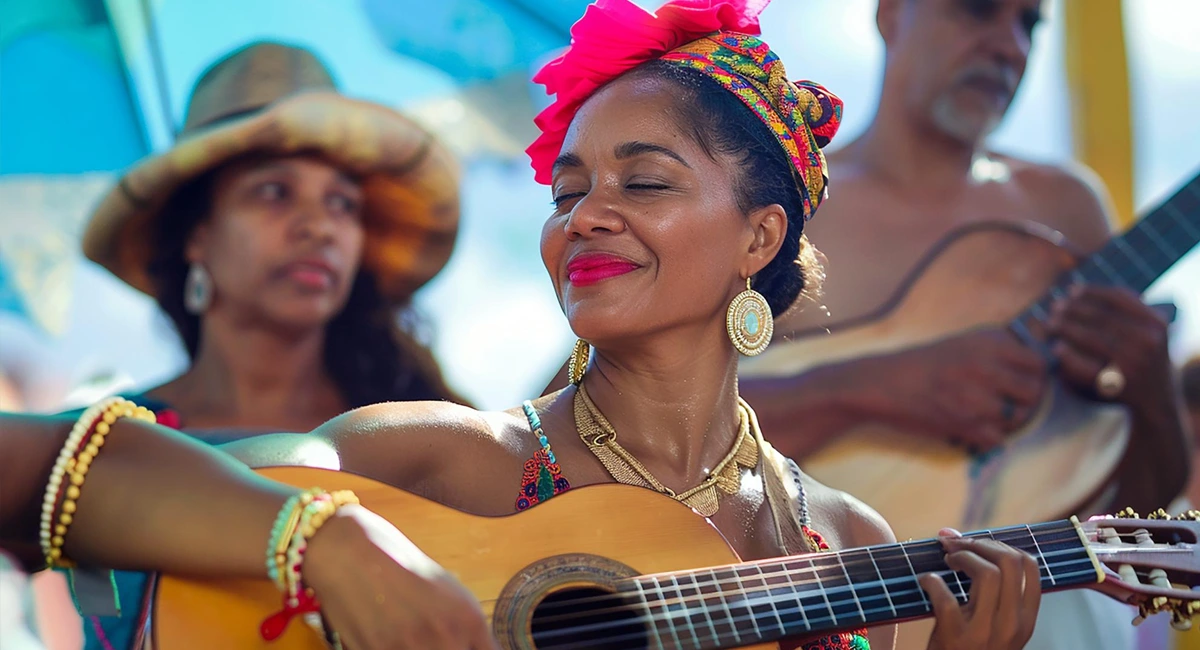
Few places in Rio de Janeiro breathe as much history and culture as Little Africa. Located in the city’s port area, this region was crucial in shaping Afro-Brazilian identity, serving as the birthplace of samba and a stage for struggles, resistance, and cultural expressions. In this article, we will explore the history of Little Africa, its significance for Brazil, and the main tourist spots worth visiting. If you want to experience an authentic and vibrant side of Rio, keep reading!
What is Little Africa and Why is it So Important?
Little Africa is a historic region in Rio de Janeiro that extends through the Gamboa neighborhood and its surroundings, including the port area. The name was popularized by Heitor dos Prazeres, one of the great figures of samba, in reference to the strong presence of Afro-Brazilian culture in the area.
The importance of this region is directly linked to the history of the African diaspora in Brazil. For centuries, the Valongo Wharf, located in the area, was the main entry point for enslaved Africans into the country. It is estimated that more than a million people disembarked there, making the site one of the greatest symbols of slavery in the Americas.
After abolition, Little Africa became a refuge for formerly enslaved people and their families, who built communities, preserved traditions, and developed cultural expressions such as samba and capoeira.
Why Visit Little Africa?
Beyond its historical significance, Little Africa is one of the most authentic and vibrant places in Rio de Janeiro. Walking through its streets means diving into an essential part of Brazilian identity, filled with music, art, and stories of resistance.
If you love culture, history, and want to explore a less obvious side of Rio, this is a must-visit destination!
The History of Little Africa: From Past to Present
Little Africa is a territory that carries centuries of history. Since the colonial period, this region of Rio de Janeiro has been marked by the arrival of enslaved Africans and the emergence of communities that shaped Brazilian cultural identity.
The Valongo Wharf: The Gateway of the African Diaspora
Between the 17th and 19th centuries, the Valongo Wharf was the main landing point for enslaved Africans in the Americas. Declared a UNESCO World Heritage Site, this location is one of the strongest symbols of slavery and Black resistance in Brazil.
After the transatlantic slave trade was banned, the wharf was remodeled and concealed by the Empress’ Wharf, built to receive Dom Pedro II’s wife, Teresa Cristina. However, archaeological excavations uncovered the original Valongo structure, rescuing its historical significance.
The Emergence of Black Communities in the Region
With the abolition of slavery in 1888, many formerly enslaved people remained in the port area, creating communities such as Pedra do Sal, one of Brazil’s first urban quilombos. This space became an important cultural and social hub for the Black population and is considered one of the birthplaces of samba in Rio de Janeiro.
The Impact of the Port Zone Revitalization
In recent years, Little Africa has undergone significant changes with port area revitalization projects. The inauguration of the Museum of Tomorrow and AquaRio has attracted new visitors, while cultural initiatives strive to preserve the region’s Afro-Brazilian heritage.
Despite urban transformations, Little Africa remains a space of resistance and a celebration of Black culture in Rio de Janeiro.
The Cradle of Samba: The Cultural Influence of the Region
Little Africa is not only a historical landmark but also one of Brazil’s main cultural centers. It was in this region that samba was born and developed, deeply influencing the country’s musical identity.
Pedra do Sal and the First Samba Gatherings
Pedra do Sal, located in the Gamboa neighborhood, is one of the most iconic places in the history of samba. In the early 20th century, the area was frequented by sailors, port workers, and African descendants who gathered to play music and keep their ancestors’ traditions alive.
From these gatherings, the first samba de roda groups emerged, giving rise to what we now know as Carioca samba. Many great figures of the genre, such as Pixinguinha, Donga, and João da Baiana, were part of this cultural movement.
Ternos de Reis and Carnival Ranchos
Before Carnival as we know it today, Little Africa was already the stage for cultural expressions such as Ternos de Reis and ranchos carnavalescos—groups that paraded through the streets to the sound of percussion instruments. These traditions helped shape the format of the samba schools that emerged years later.
The Influence on Modern Samba
The presence of samba in Little Africa remains strong to this day. Every week, Pedra do Sal hosts traditional samba gatherings, attracting both locals and tourists. Additionally, the region maintains cultural centers and projects dedicated to preserving and strengthening the history of Brazil’s most iconic rhythm.
If you want to experience this energy firsthand and explore the roots of samba, adding a visit to Little Africa to your Rio de Janeiro itinerary is a must!
Main Tourist Attractions in Little Africa, Rio de Janeiro
Little Africa is an open-air museum, filled with historical and cultural landmarks that help tell the story of the Black population in Brazil. If you want to explore this region and understand its significance, check out the must-visit tourist attractions to include in your itinerary.
Valongo Wharf
Declared a UNESCO World Heritage Site, Valongo Wharf is one of the most impactful places in Little Africa. The site, which received more than a million enslaved Africans, was rediscovered through archaeological excavations and is now a symbol of Black memory and resistance in Brazil.
Pedra do Sal
Considered the cradle of samba, Pedra do Sal is a sacred space for Afro-Brazilian culture. The location hosts weekly samba gatherings where locals and tourists come together to celebrate music and tradition. Additionally, the area is one of Brazil’s first urban quilombos.
Instituto Pretos Novos (IPN)
The Instituto Pretos Novos is a cultural and archaeological center dedicated to preserving Afro-Brazilian memory. It was built over an old cemetery where enslaved people who had just arrived in Brazil were buried. Today, it hosts exhibitions and educational activities about the history of Little Africa.
Olympic Boulevard and the “Ethnicities” Mural
Created during the 2016 Olympics, the Olympic Boulevard has become one of Rio’s most visited areas. Its highlight is the Ethnicities mural by artist Eduardo Kobra, which pays tribute to cultural diversity across humanity, including Africa’s strong influence on Brazil.
Rio Art Museum (MAR)
Located in Praça Mauá, the MAR frequently features exhibitions on the city’s history and culture, including themes related to Afro-descendant populations and the legacy of Little Africa.
If you want to experience a different side of Rio de Janeiro beyond its beaches and famous landmarks, exploring Little Africa is an enriching and unforgettable experience!
Where to Stay to Explore Little Africa
If you want to experience the history and culture of Little Africa up close, choosing the right accommodation makes all the difference. Being well-located allows you to explore this historic region with ease while ensuring a more authentic experience in Rio de Janeiro.
Why Choose Palace Beach Hostel?
Palace Beach Hostel is an excellent option for those looking for comfort, affordability, and convenience. Besides being a welcoming place, it offers several advantages for travelers interested in Carioca culture:
- Strategic Location – Easy access to Rio’s historic center and Little Africa, making it convenient to explore the region.
- Relaxed Atmosphere – Ideal for interacting with other travelers who also want to discover the city.
- Great Value for Money – Affordable rates for those who want to save without sacrificing comfort.
- Helpful Staff – Tips and suggestions on the best cultural tours in Rio de Janeiro.
How to Get to Little Africa from the Hostel?
From Palace Beach Hostel, reaching Little Africa is easy using public transportation or even on foot, depending on your planned itinerary. Some options include:
• Metro: Get off at Uruguaiana or Presidente Vargas station and walk from there.
• VLT (Light Rail Vehicle): Parada dos Navios station is just a few minutes from Valongo Wharf and Pedra do Sal.
• Bus and Ride-Sharing Services: Depending on your location, there are several bus lines or quick Uber and 99 rides available.
If you’re planning a trip to Rio de Janeiro and want to explore the city’s historical and cultural side, staying at Palace Beach Hostel ensures comfort, savings, and an authentic experience. Book your stay and discover a Rio full of history and culture!

